

AI Could Add $1.7 Trillion to India’s Economy by 2035 as Government Scales IndiaAI Mission
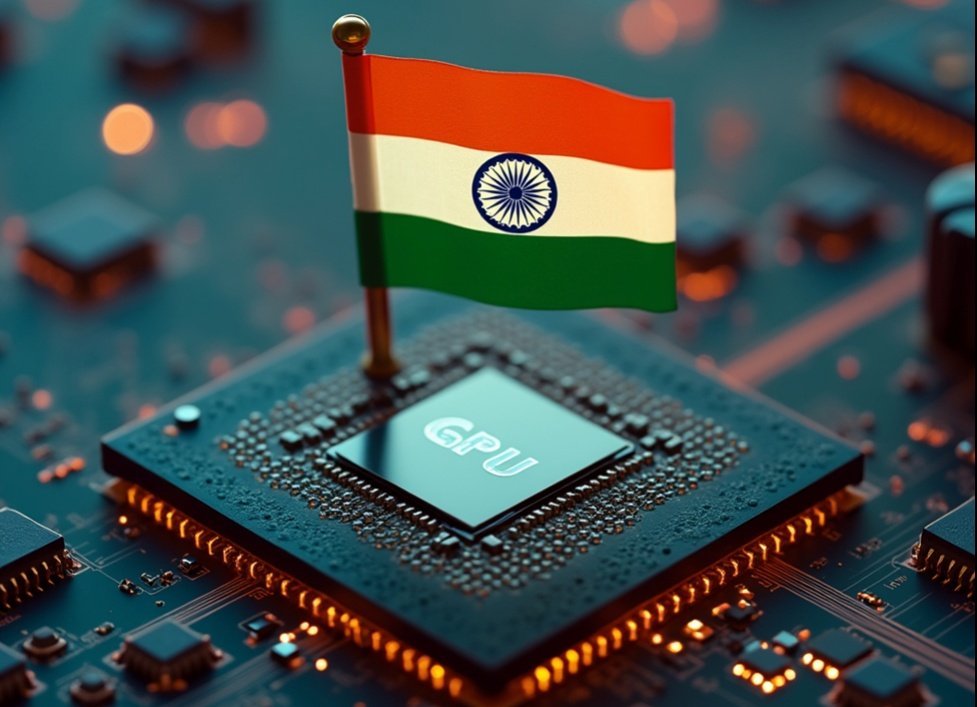
India is positioning artificial intelligence as a core pillar of its long term economic growth, with government estimates suggesting that AI could add nearly 1.7 trillion dollars to the country’s economy by 2035. This projection comes as the Centre accelerates its push through the IndiaAI Mission, one of the most ambitious public sector AI programmes launched so far.
The IndiaAI Mission has been approved with a funding outlay of around ₹10,300 crore spread over five years. A major focus of the initiative is building large scale domestic computing capacity. As part of this effort, the government plans to deploy close to 38,000 high performance GPUs, significantly expanding access to AI compute for startups, researchers, academic institutions, and small enterprises that currently struggle with high infrastructure costs.
Officials believe the economic impact of AI will be broad based rather than limited to the tech sector. Productivity gains are expected across healthcare, agriculture, manufacturing, financial services, education, climate solutions, and public governance. In sectors like healthcare and agriculture, AI driven diagnostics, crop advisory systems, and predictive analytics are already showing early signs of impact. In manufacturing and finance, automation and intelligent decision systems are improving efficiency, reducing errors, and shortening turnaround times.
Talent and inclusion are also central to the mission. Large scale skilling and reskilling programmes are being rolled out to prepare the workforce for AI enabled roles. The government is focusing on expanding AI education beyond elite institutions, with initiatives aimed at training students, professionals, and public sector employees. There is also a strong push to build AI systems in Indian languages so that adoption is not limited to English speaking or urban users.
Another key objective of the IndiaAI Mission is to support the development of homegrown AI models and platforms. By strengthening domestic research and encouraging startups to build India specific solutions, the government aims to reduce dependence on foreign AI infrastructure while creating intellectual property within the country.
As global competition around artificial intelligence intensifies, India’s strategy reflects a shift from viewing AI as a niche technology to treating it as national digital infrastructure. If executed effectively, the combination of public investment, compute access, talent development, and sector wide adoption could make AI one of the most significant contributors to India’s economic growth story over the next decade.
By Team TNN