

Deepinder Goyal Ignites Debate: “Startups Cannot Be Built on a 9-to-5 Attitude”
By The Neo Nation Bureau | Leadership & Work Culture Desk Date: January 7, 2026
New Delhi: If you are looking for work-life balance, do not look at the C-Suite of Zomato.
In a podcast interview that has gone viral across Indian social media this week, Zomato CEO Deepinder Goyal made his stance on “hustle culture” crystal clear. Speaking to YouTuber Raj Shamani on January 6, 2026, Goyal argued that building a generational company requires an “obsessive” mindset that is incompatible with a standard employee mentality.
His comments have split the internet, reigniting the eternal debate: Is this ambition, or is it toxic productivity?
The Quote That Went Viral
Goyal’s core argument wasn’t about the hours clocked, but the attitude held.
“Startups don’t get built on a 9-to-5 attitude. They can be built on 9-to-5 hour clocks. But they can’t be built on a 9-to-5 attitude. They are different things.” — Deepinder Goyal+1
He elaborated that for his senior leadership team, he demands total ownership. “I don’t want them to think of this as a job. If the senior team thinks of this as a job, I’m out. They have to think about this as their own baby.”
The “Friday 6 PM” Litmus Test
To explain his philosophy, Goyal offered a specific scenario that has become the focal point of online criticism.
He stated that if a major bug affecting customers is discovered at 6 PM on a Friday, a person with a “job mindset” would wait until Monday to fix it. A person with a “founder mindset,” however, would stay back and fix it immediately.+1
- The Rationale: “I’m ready to lose 10,000 customers over the weekend, and I wouldn’t put in two hours? What choice are you going to make?”
- The Defense: Goyal clarified that Zomato pays its top talent significantly above market rates (plus equity) to compensate for this level of commitment. “We pay people a lot… If they show this kind of attitude, they grow faster as well.”
The Debate: Toxic vs. Truth?
The internet’s reaction has been polarized, reflecting the widening gap between traditional corporate expectations and the high-pressure world of Indian unicorns.
The Critics: Many professionals on X (formerly Twitter) and LinkedIn accused Goyal of glorifying burnout. Critics argue that equating “ownership” with “sacrificing weekends” sets a dangerous precedent, especially for junior employees who may not have the equity upside of the senior leadership.
- One popular critique: “Ownership shouldn’t mean being on call 24/7. That’s not a job; that’s indentured servitude.”
The Supporters: On the flip side, fellow founders and VCs have rallied behind Goyal. They argue that the “9-to-5” structure is a relic of the industrial age and that high-growth startups—which are essentially “war zones” for market share—cannot survive with a civil servant mentality.
- The consensus among founders: You can have work-life balance, or you can build a $20 Billion company. You rarely get both.
The Bottom Line
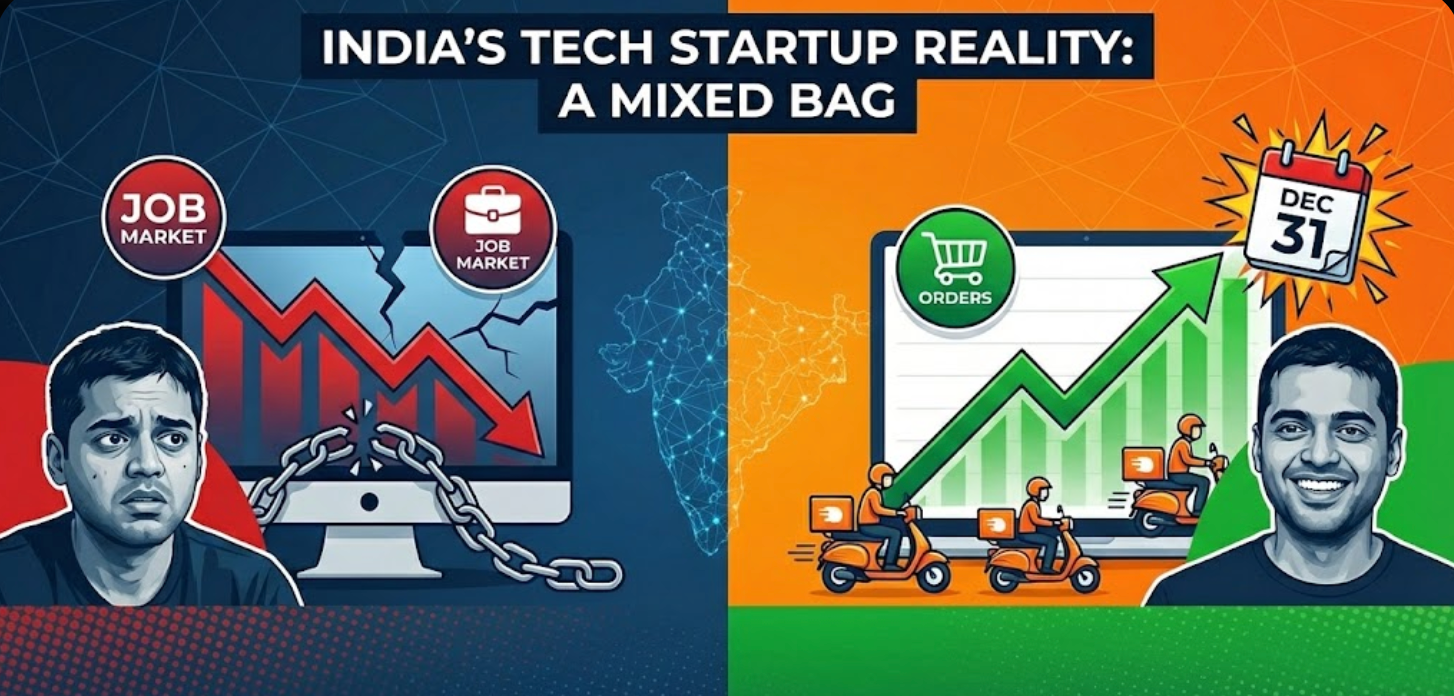
This isn’t the first time Goyal has stirred the pot. Coming fresh off a record-breaking New Year’s Eve (7.5 million orders), Zomato’s performance seems to validate his intense management style.
For job seekers eyeing Zomato in 2026, the message is clear: The company isn’t just hiring for skills; it’s hiring for “obsession.” If you view Friday at 6 PM as the finish line, you might want to apply elsewhere.