
Zomato’s “Price Parity” Crisis: Why #YouFraud is Trending and What It Means for Indian FoodTech
By The Neo Nation Bureau | Consumer Tech & Markets Desk Date: January 11, 2026
New Delhi: The “Convenience Economy” is facing a crisis of confidence.
For the past 48 hours, a storm has been brewing on social media platforms X (formerly Twitter) and Reddit, coalescing under the aggressive hashtag #YouFraud. The target? India’s food delivery giant, Zomato.
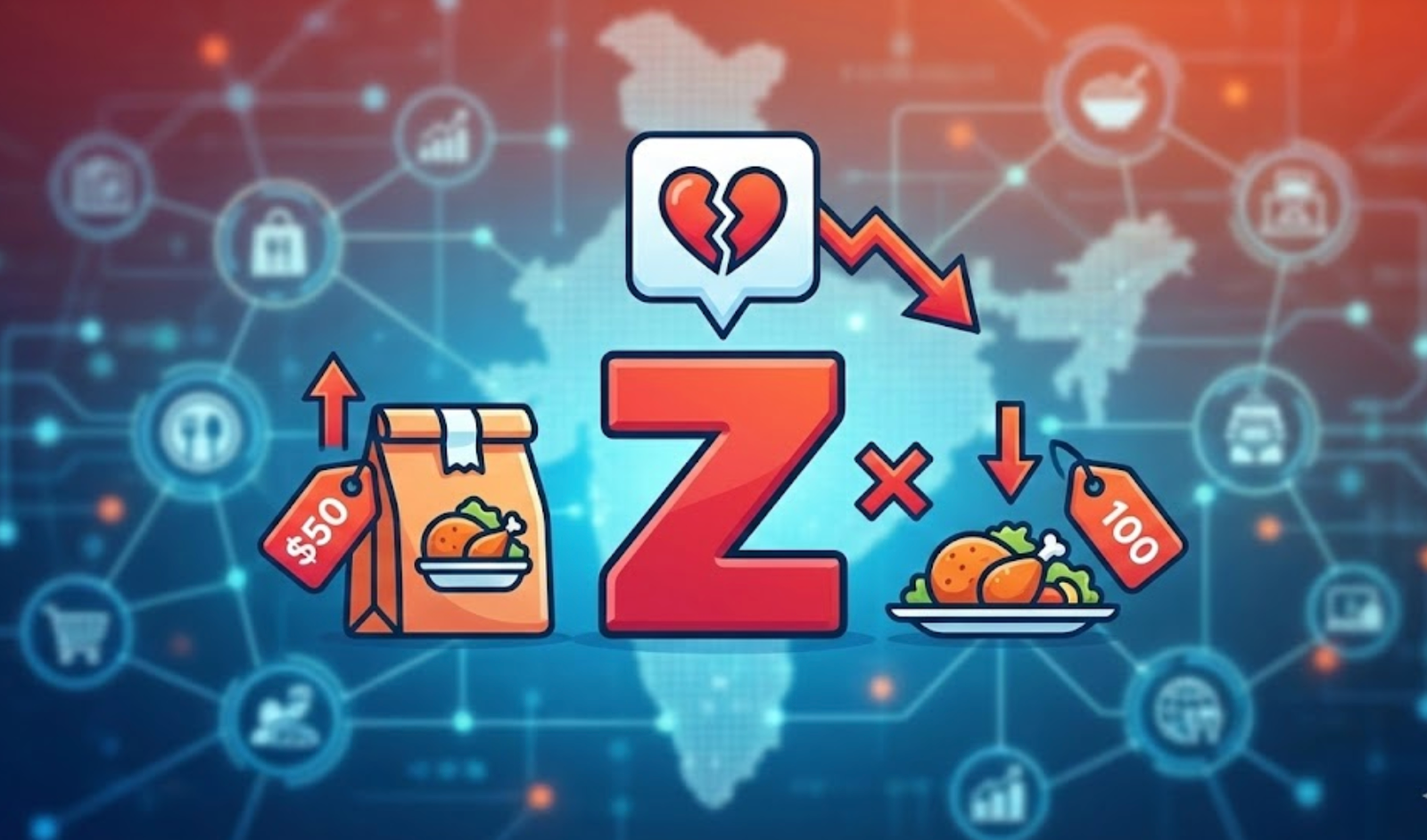
What started as a few isolated complaints has snowballed into a viral movement, with users posting side-by-side screenshots of restaurant offline menus versus Zomato app prices. The evidence is damning: identical dishes are often priced 30% to 40% higher on the app, even before delivery fees and taxes are added.
The “Hidden Inflation” Exposed
The controversy exploded when a viral post showed a popular biryani chain’s menu card alongside its Zomato listing.
- Offline Price: ₹350
- Zomato Item Price: ₹480 (excluding taxes/delivery)
This massive markup—often referred to as “Menu Inflation”—is not explicitly disclosed to the user. While consumers expect to pay for delivery, the realization that they are paying a premium on the food itself has triggered accusations of price gouging and lack of transparency.
“I thought I was paying for convenience. Turns out, I’m paying a ‘Laziness Tax’ on every single roti. Transparency is dead,” wrote one verified user, garnering thousands of likes.
The Economics: Who is to Blame?
While the anger is directed at Zomato, the reality is a complex tug-of-war between the platform and restaurant partners.
1. The Commission Squeeze: Restaurants argue they are forced to inflate online prices to survive. Zomato typically charges a commission of 20% to 28% per order. If a restaurant sells a dish at the same price online as offline, that commission wipes out their profit margin.
- The Result: Restaurants pass this cost directly to the consumer by marking up the online menu.
2. The Platform’s Stance: Zomato has historically maintained that it does not control menu pricing—restaurants do. However, critics argue that the platform’s algorithms prioritize higher-value orders and that the app lacks a “Price Parity” disclosure, leaving users in the dark about the markup.
The Insight: The Trust Deficit
This controversy hits at a fragile time for Indian D2C and Tech brands. The #YouFraud trend signals that the Indian consumer is becoming hyper-aware of “Dark Patterns” and hidden costs. The “Convenience Economy” was built on the premise of saving time; if users feel they are being financially exploited for that time, the value proposition collapses.
What’s Next? ONDC and Regulation
This backlash may inadvertently fuel Zomato’s rivals.
- ONDC (Open Network for Digital Commerce): The government-backed network is already marketing itself as a “direct-to-consumer” alternative with lower commissions (and thus, lower menu prices).
- Regulatory Eye: The CCPA (Central Consumer Protection Authority) has already been scrutinizing e-commerce for dark patterns. This viral evidence of “hidden inflation” could trigger a formal inquiry into whether food-tech apps need to mandate a “Same Price” policy or explicitly label marked-up menus.
For Zomato, the challenge is no longer just delivering food on time; it’s delivering the truth about what that food actually costs.